
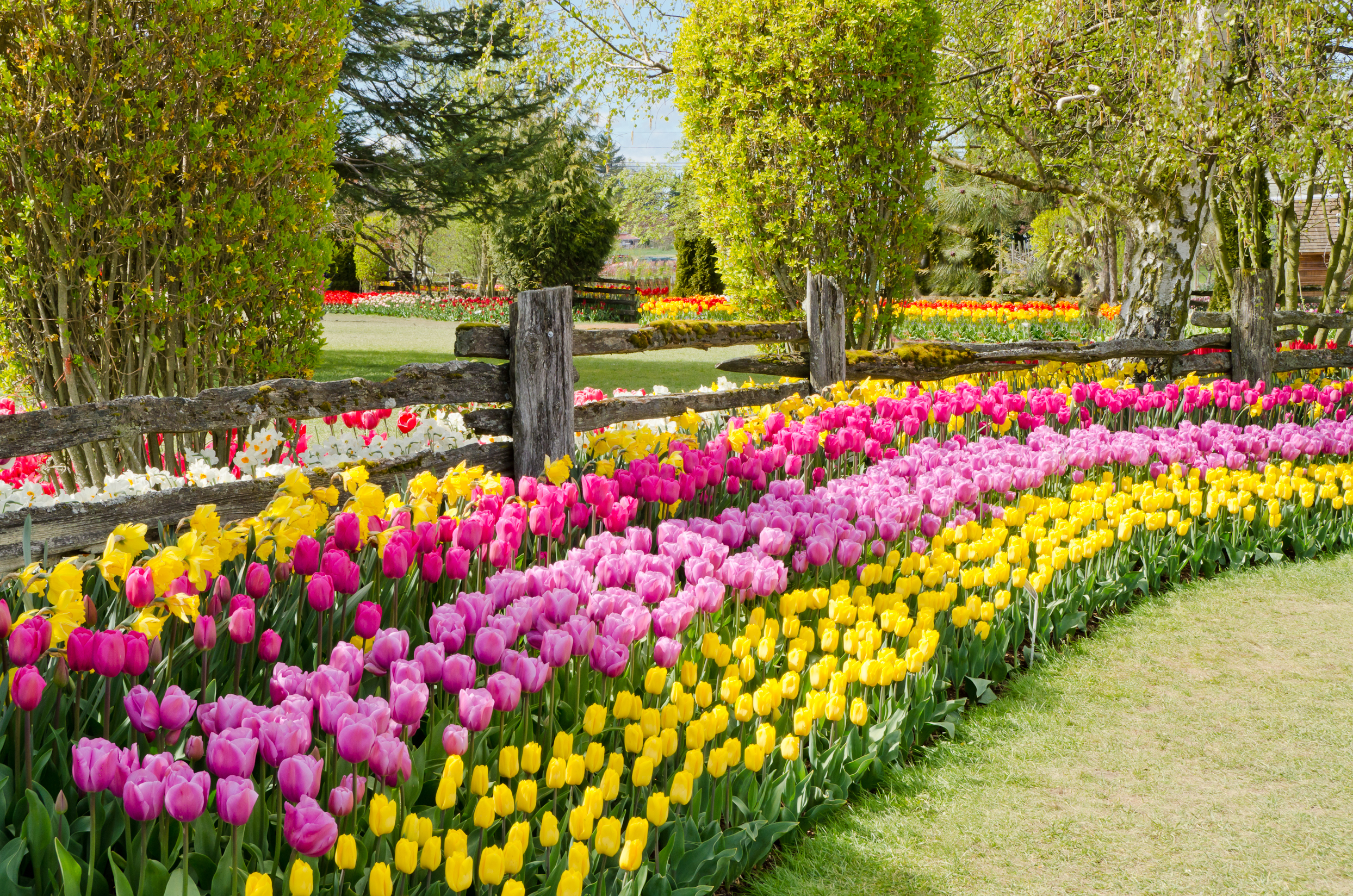
Spring Flowering Bulbs
Spring-flowering bulbs begin to come available in February through to April, but won’t flower until late August to October. Bulbs are a patient gardener’s game, but well worth the wait! Bulbs should ideally be planted early in the year during autumn. This allows them time to settle into the ground, push down their roots and prepare for a show.
To get the best of your bulbs, sometimes they need a little treatment before planting. Stagger planting (planting bulbs a few weeks apart) means you get more blooms spread out through the season.
When flowering is over, the rule of thumb with spring bulbs is to let the foliage die back, naturally. This allows the plant to retrieve and store the energy in the bulb for next year.
To prepare the ground for planting, enrich the soil with compost and organic matter such as sheep pellets.
Wait until the first stems begin to shoot in Spring before applying ‘Ican Bulb Food’, and apply a dressing of fertiliser again after flowering before they die back. This helps the bulbs to store nutrients for strong growth next year.
For pots we recommend the use of ‘Tui Bulb Potting Mix’, or ‘Ican Premium Potting Mix’ and ‘Ican Slow Food’.

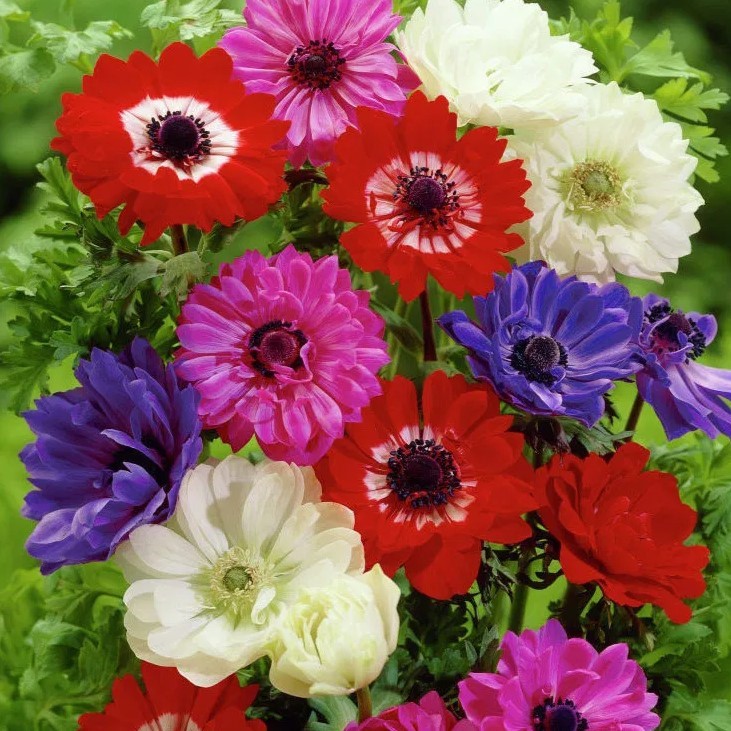
Anemones
If stagger planted, anemones can flower for up to 6 months. To get the best of your anemones, place them in the fridge for 5-6 weeks, and then the day before planting, soak in water, over night (10-12 hours). This encourages them to sprout faster. The best soil temperature is between 12-15 degrees Celsius.
Plant in groups, about 3-4cm deep and 6-8 cm apart, in a sunny, well drained spot. Plant bulb, pointy side down, as this is the part the root sprouts from. If unsure, plant bulb on its side.
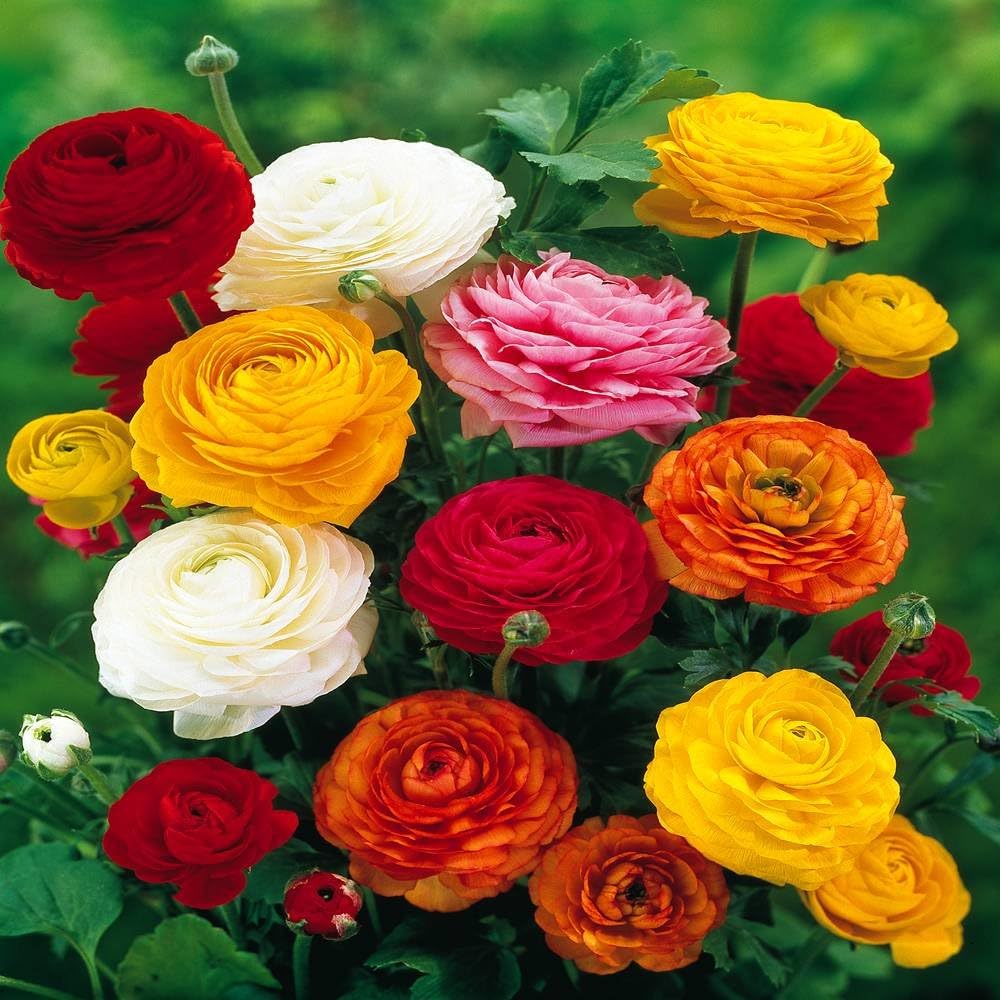
Ranunculus
For best results, chill in the fridge for 5-6 weeks, then soak over night (10-12 hours) in water. Plant in groups with claws pointing down, about 3-4cm deep and 6-8cm apart.
Ranunculus are heavy feeders, and like good drainage in a full sun or semi-shaded position.
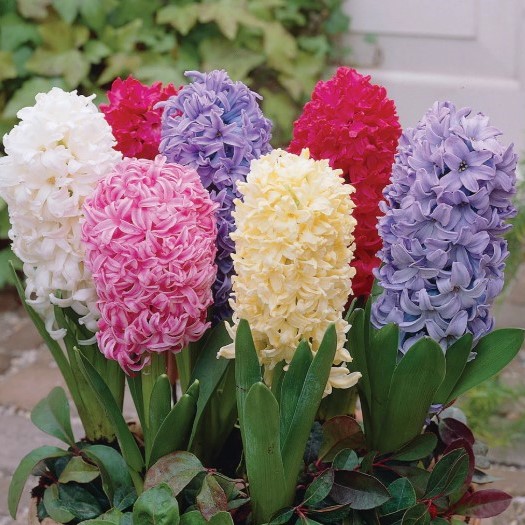
Hyacinths
Hyacinths announce their presence with a very strong scent. Best planted in March/April in a cool spot. Grow in pots or the garden. Raise the beds if the soil is heavy or wet. Plant 8-10 cm apart, and 8-10 cm deep. Plant bulb point facing up. When flowering finishes, cut off the old flower spike (but leave the leaves on). This encourages bulb growth.
Hyacinths can also be grown in jars, with water only. Place bulb in jar, fill with water up to but not touching the bulb.
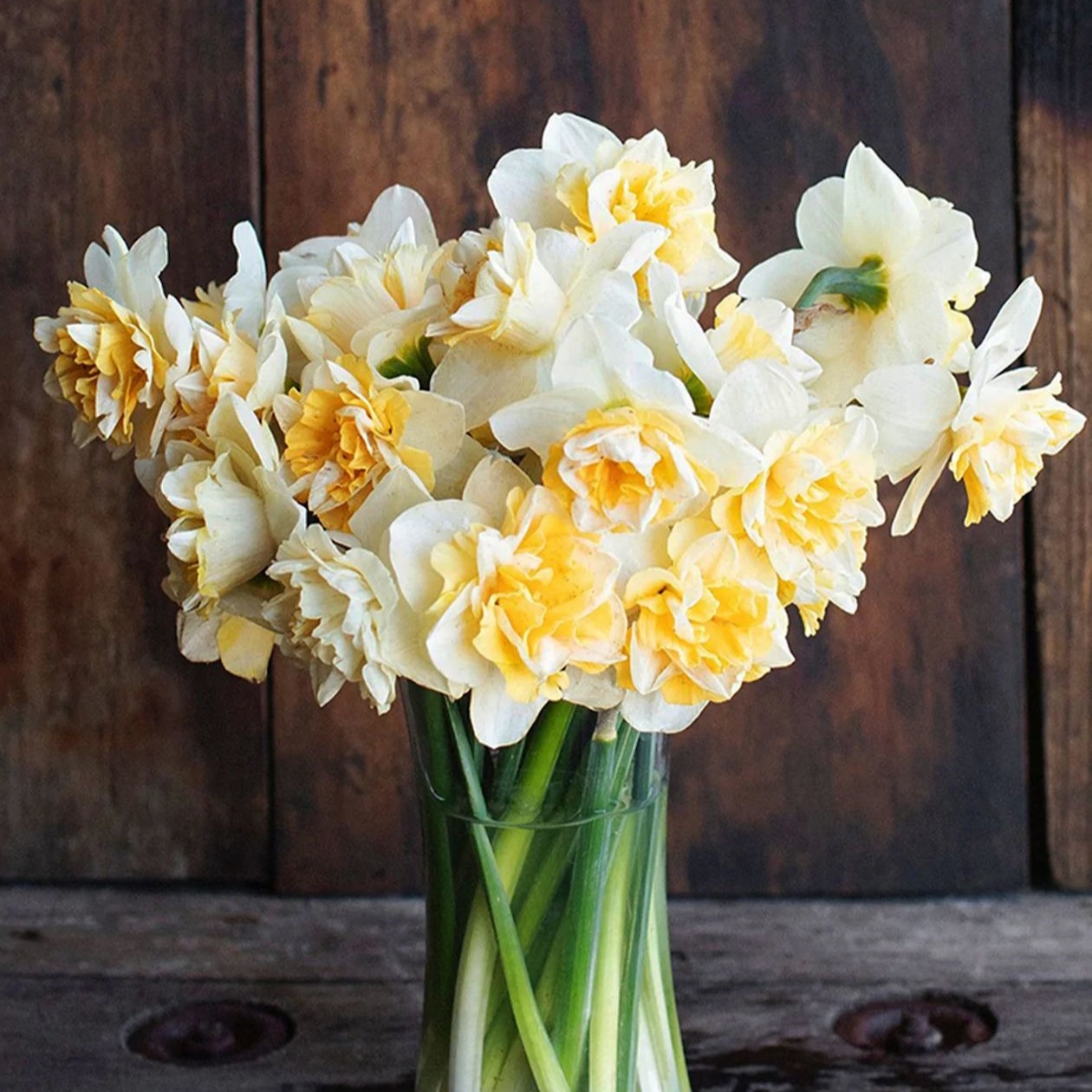
Daffodils
Easy to grow, and the favourite amongst spring bulbs. Nothing says Spring quite like a daffodil!
Best planted in clumps 8-10cm deep and 10-15cm apart. Plant en-masse for a stunning effect. Many have a delicate fragrance and cut well for a lovely vase flower arrangement.
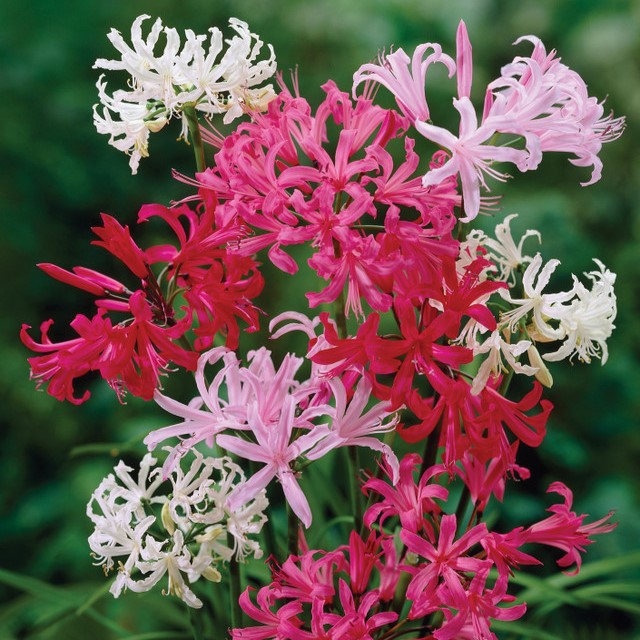
Nerines
Nerines require a light, well drained soil with not too much nitrogen. Plant in a sunny place.
The shoulder of the bulbs should be showing above the soil. Space them approximately 8-10cm apart in groups. To get long stems, they will need a little more shade. Nerines will naturalise if left undisturbed.
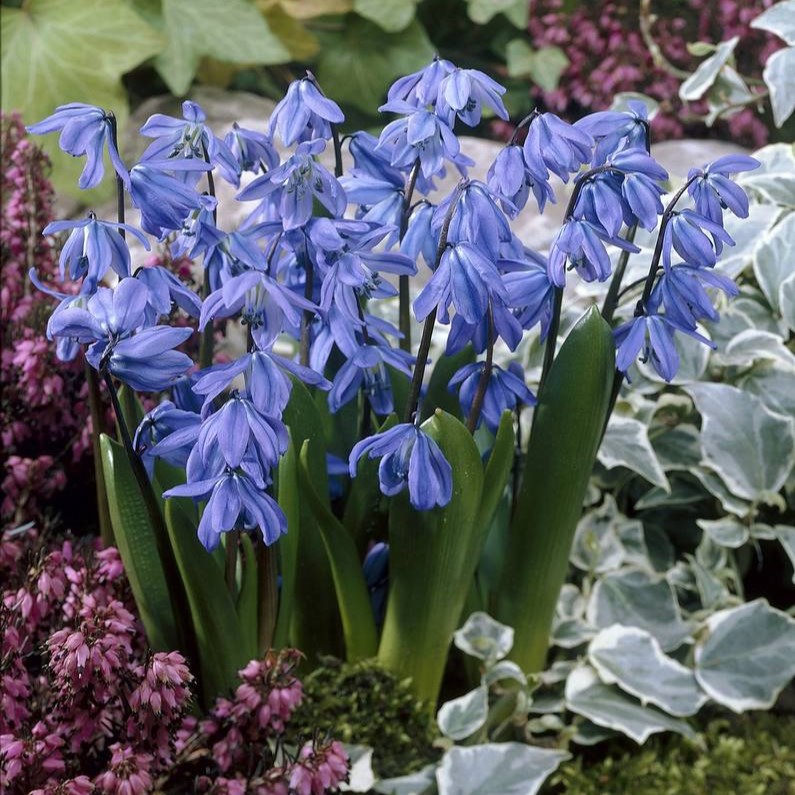
Scilla (Blue Bells)
Commonly known as ‘Blue Bells’ or ‘Wood Hyacinths’, these attractive flowers are easily grown and naturalised. Very tolerant of most conditions, but best planted in groups 6-8cm deep and 8-10cm apart.
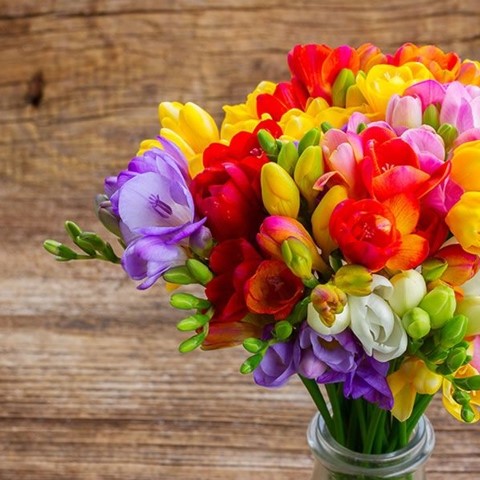
Freesias
Stunning, vibrant colour for warm, sunny, well drained positions. They perform well under the eaves of a house as shelter from frost is essential. Heavily scented and superb as cut flowers.
Plant 5-6cm deep and 8-10cm apart.
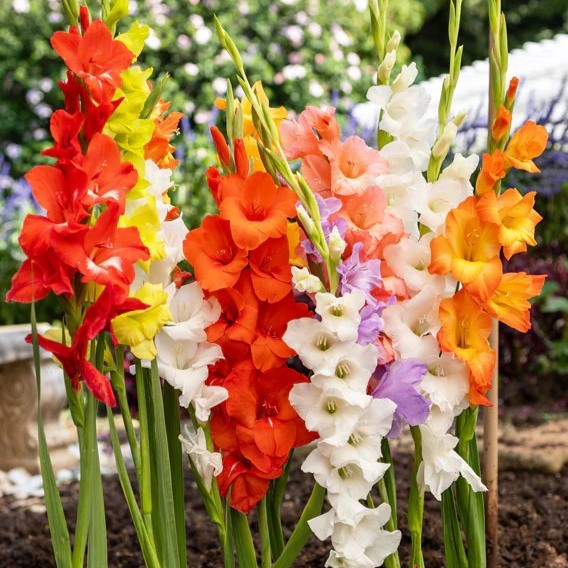
Gladioli
Gladioli are a later spring-flowering bulb. Great for keeping up an impressive display when earlier flowers have finished. Tall, arching sprays with up to 10 flowers per stem. The stems are strong but will perform best sheltered from harsh wind, in a sunny, well drained position. Plant in borders, rockery edges and pots.
Space approximately 10-15cm apart and 5-7cm deep.
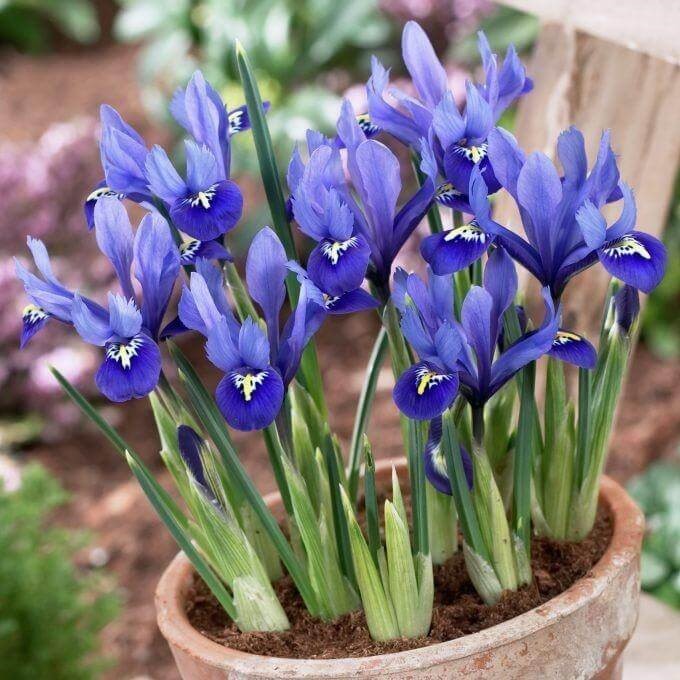
Iris Reticulata
Similar to Dutch Iris (summer bulbs), but with smaller flowers that bloom in early spring. Dainty, but strong, and easy to grow. Effective in pots, rockeries or clumps in the garden bed.
Choose a full sun position with well drained soil. Plant 3-5cm deep and 4-6cm apart.
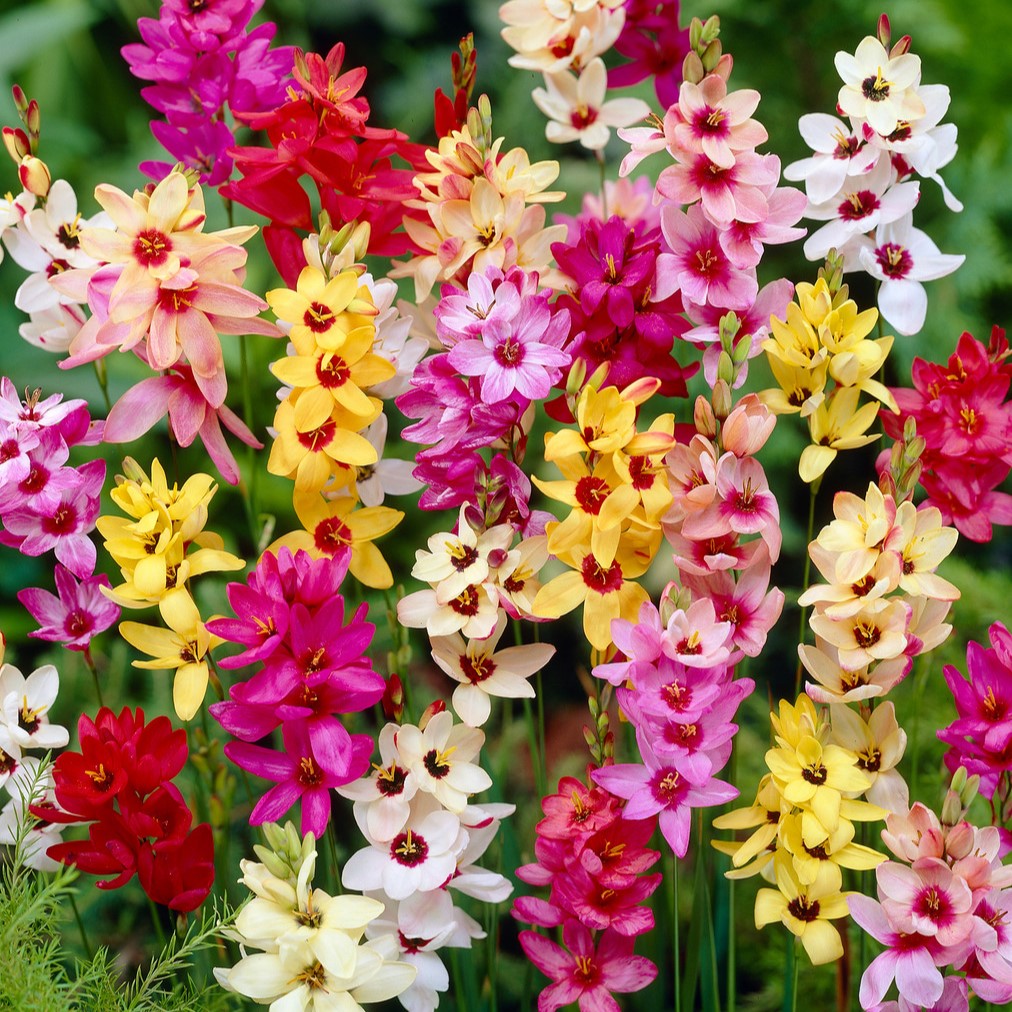
Ixias
Very bright blossoms waving on tall, slender stems in late spring. Growing up to a metre tall – a real eye catcher! Performs best in well worked, loose & fertile soil with plenty of sun.
Plant in tight clumps, approximately 6-8cm apart and 4-5cm deep. Bulb baskets are ideal for keeping bulbs clumped together.

Sparaxis
Similar to Dutch Iris (summer bulbs), but with smaller flowers that bloom in early spring. Dainty, but strong, and easy to grow. Effective in pots, rockeries or clumps in the garden bed.
Choose a full sun position with well drained soil. Plant 3-5cm deep and 4-6cm apart.
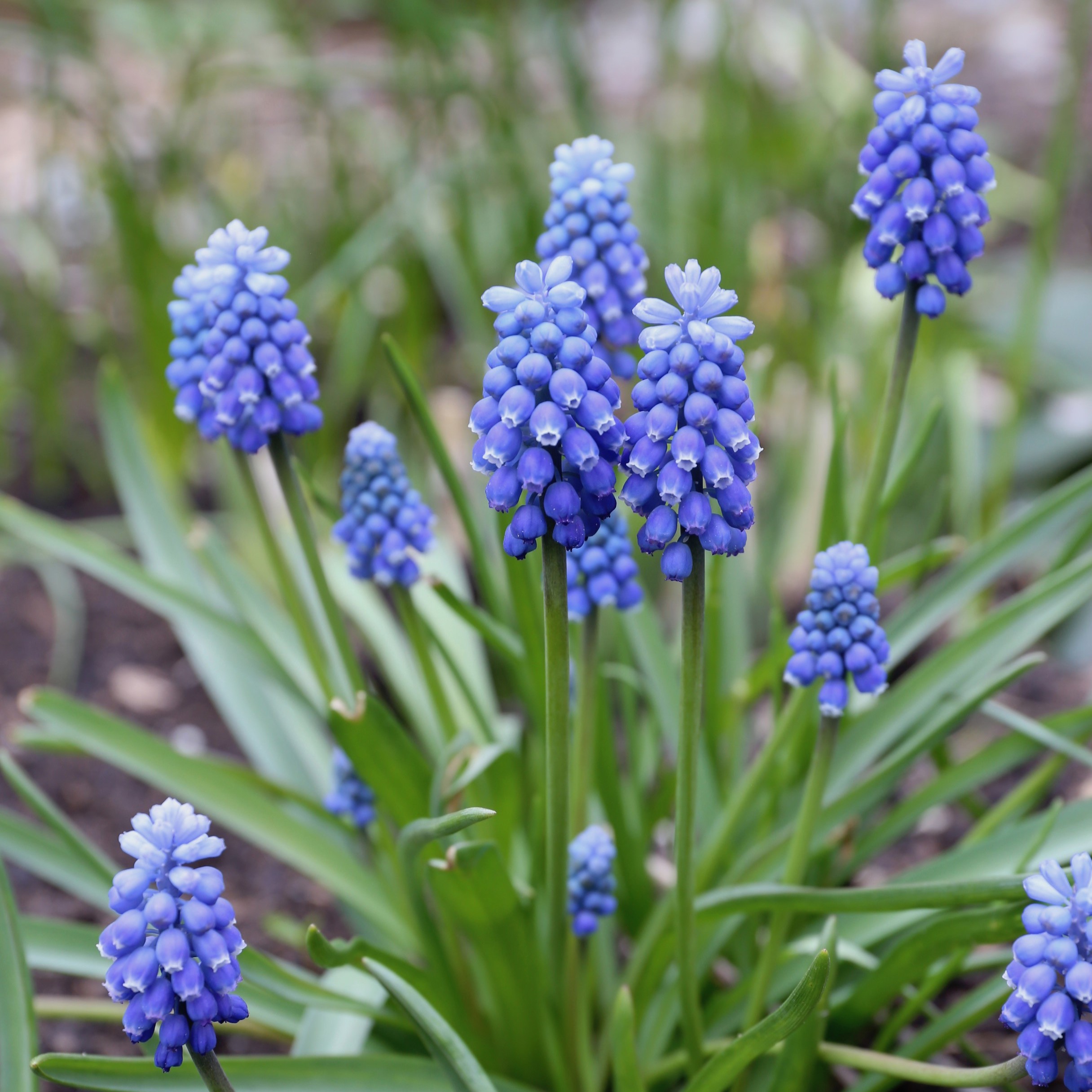
Muscari
Commonly known as ‘Grape Hyacinths’, these small, tight clusters of flowers are easily grown in most conditions other than wet positions. Fantastic for planting en-masse and filling an area, performing well when left undisturbed.
Plant in groups 3-5cm deep and 4-5cm apart. Sunny to partly shaded position in well worked soil.
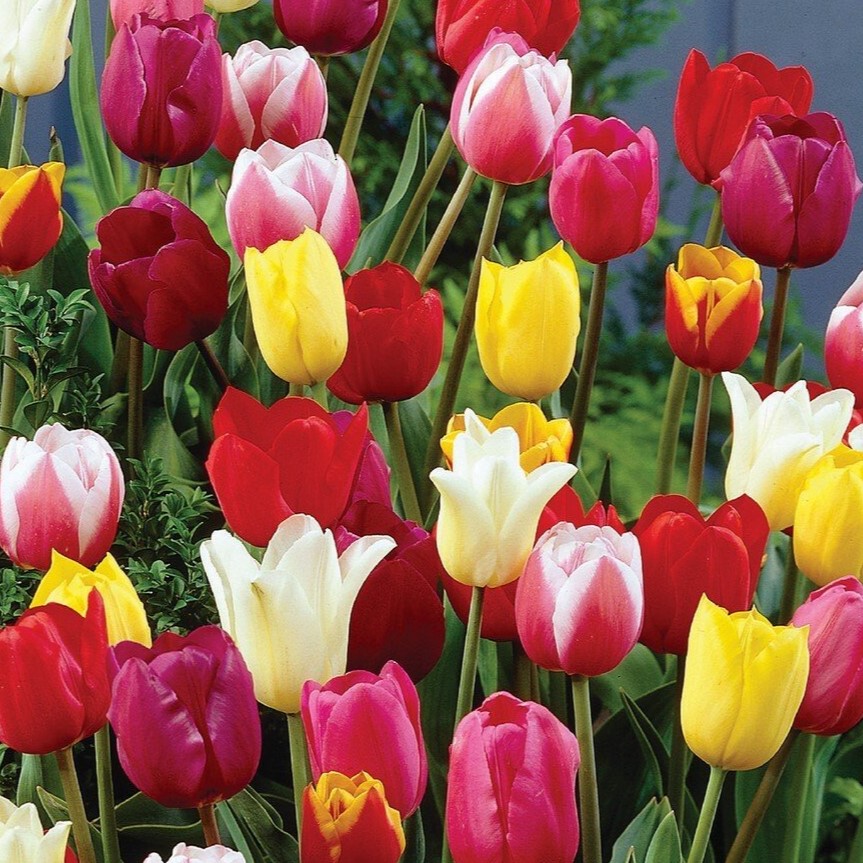
Tulips
A classic, very showy bulb flowering in late spring. Easy to grow and absolutely dazzling. Best planted en masse for a bold wave of colour, or mix different types up.
Choose a sunny position with well worked, loose & fertile soil. Keep Tulips well watered but not waterlogged.